 Waste Education
A new model where waste, education and technology work together to build circular communities.
Sustainable infrastructure
for the Asia Pacific.
INPAC is an Asia Pacific-driven organisation focused on green development, environmental restoration, and community-led growth. We work alongside governments, leaders and local communities to fund and deliver projects that protect the land and sea, while creating long-term prosperity.
We are specialists in sustainable infrastructure and Education. Our work spans renewable energy, water treatment, waste recycling, desalination and sewerage systems. Across the Pacific, we restore mangroves, reefs and coastlines; we build microgrids and clean water plants; and we train the next generation of local operators.
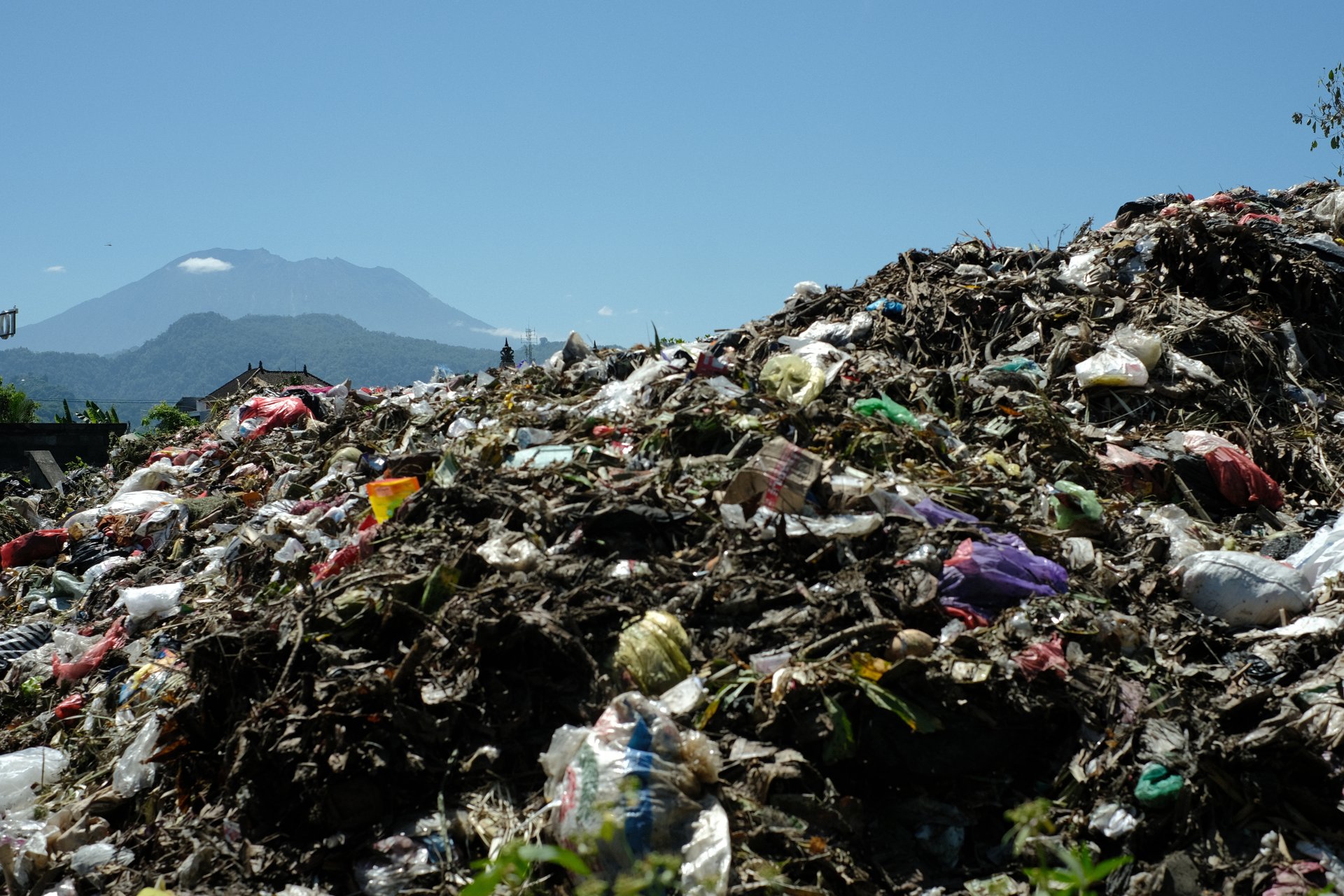
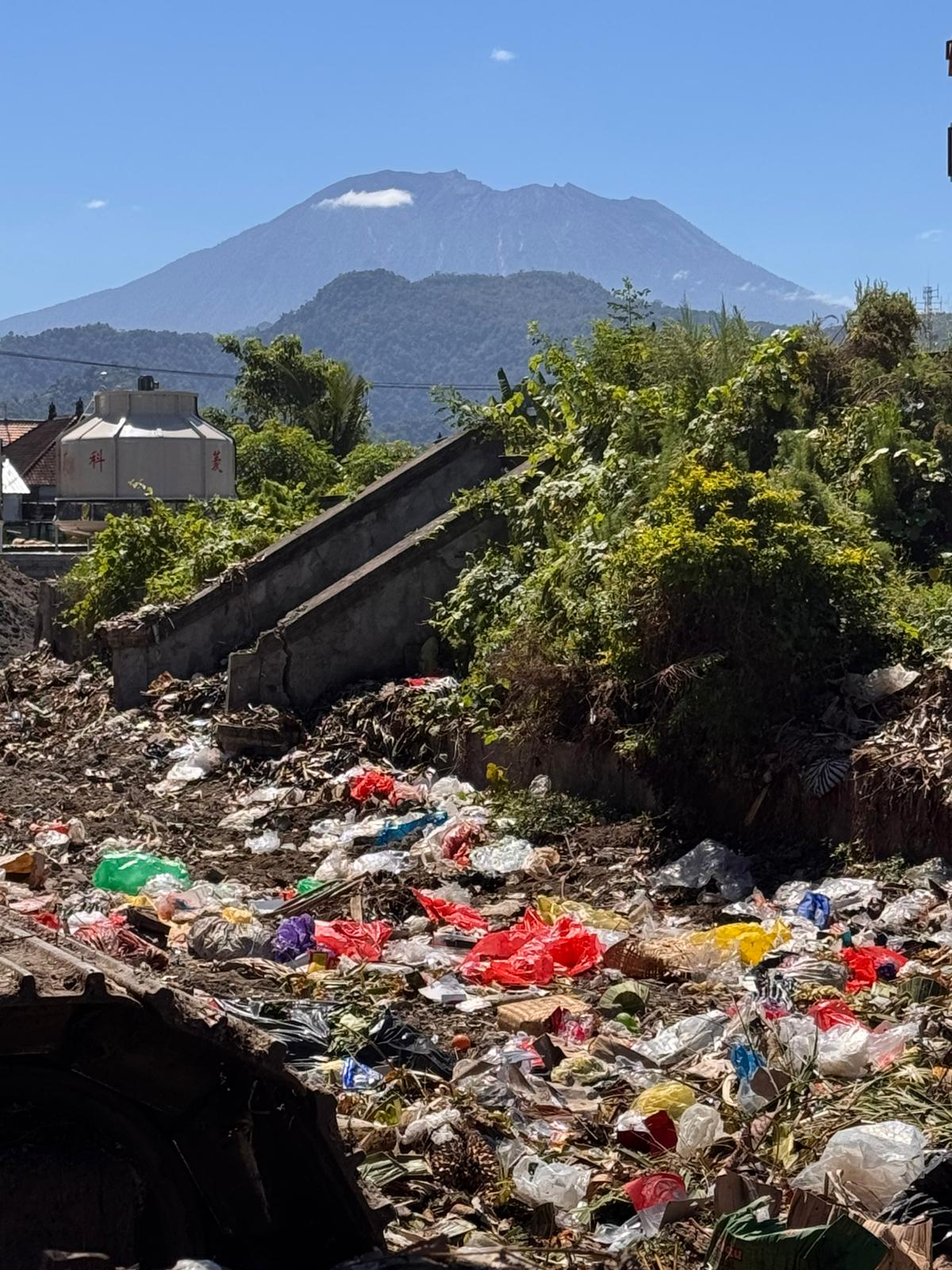
In Indonesia, we identified a different challenge. Municipal waste is mixed, wet, organic-heavy and inconsistent. Existing disposal routes are overflowing. We established that the best process is to sort the waste first, recover landfill capacity and recyclables, then use pyrolysis to convert the remaining plastics, rubber and organics into fuel, energy and recovered materials.
Thermal decomposition for hotels, communities and landfill remediation.
Solar, battery storage and microgrid systems for energy independence.
Integrated sorting and recycling systems for maximum resource recovery.
Advanced purification systems transforming raw water into safe drinking water.
Modular and scalable seawater desalination for reliable freshwater supply.
Compact wastewater treatment plants for hotels, resorts and small communities.
For the People, by the People.
We are here to ensure that communities across Indonesia can thrive on their own terms, protecting the oceans, lands and cultures that define them.
Everything we build must serve future generations.
The Asia Pacific way of life is something to protect.
Local voices, local leadership, local benefits.
Transparent partnerships built on trust.
Modular trommel sorting recovers landfill capacity. Sorted plastics feed batch pyrolysis — converting waste into fuel, electricity and carbon black.
See the technology →TOSS Centre Klungkung is built. Reactor delivered, modular 750 unit test-run, refined fuel oil flowing today. Remaining work is commissioning.
See live footage →Trial yields: ~30% from unsorted MSW, ~50% from sorted MSW. Tyres reached 80–90% as a reference test only — INPAC is not a tyre operator.
See Klungkung proof →INPAC can self-finance deployment on the basis of a nationally-backed offtake for end products — and is open to Danantara investment alongside. Andersons Group brings prior delivery with ADB, GCF and NZ MFAT Aid.
See track record →A Klungkung proof-of-concept, replicable to 1,000 TPD across Indonesia — sorting-first, offtake-led.
INPAC proposes a phased waste recovery, sorting, pyrolysis and education platform designed for Indonesian municipal waste — mixed, organic-heavy, wet, and inconsistent.
Sorting is installed first so closed or overloaded sites can reopen quickly. Pyrolysis is then added progressively, around contracted offtake. The model is modular, bankable, and repeatable across sites.
Sorting-first — reopen sites fast
Sorting comes online before pyrolysis, so closed or overloaded tips return to maximum capacity quickly. Plastics are compressed for pyrolysis or converted to RDF — both free up landfill volume immediately.
Parallel & modular
Sorting continues alongside pyrolysis as the site's control system. Pyrolysis added progressively as offtake matures — no single-plant risk.
Repeatable nationally
Same model, different sites — islands, municipalities, tourism regions — with local workforce trained for operation and future installs.
How it works. What we built. Why ours handles imperfect waste.
Heat without oxygen.
Material is heated to 400–500 °C inside a sealed reactor. With no oxygen present, polymers crack into hydrocarbon vapour, syngas and solid char — nothing burns, everything is converted.
- 01Heat400–500 °C, sealed, oxygen-free
- 02CrackPolymer chains break into vapour
- 03CondenseVapour → crude pyrolysis oil
- 04RefineFilter → fuel / marine-grade
- 05RecoverChar for sale (steel when tyres present)
- 06Self-fuelSyngas reused as process heat
Modular batch reactor, built for MSW.
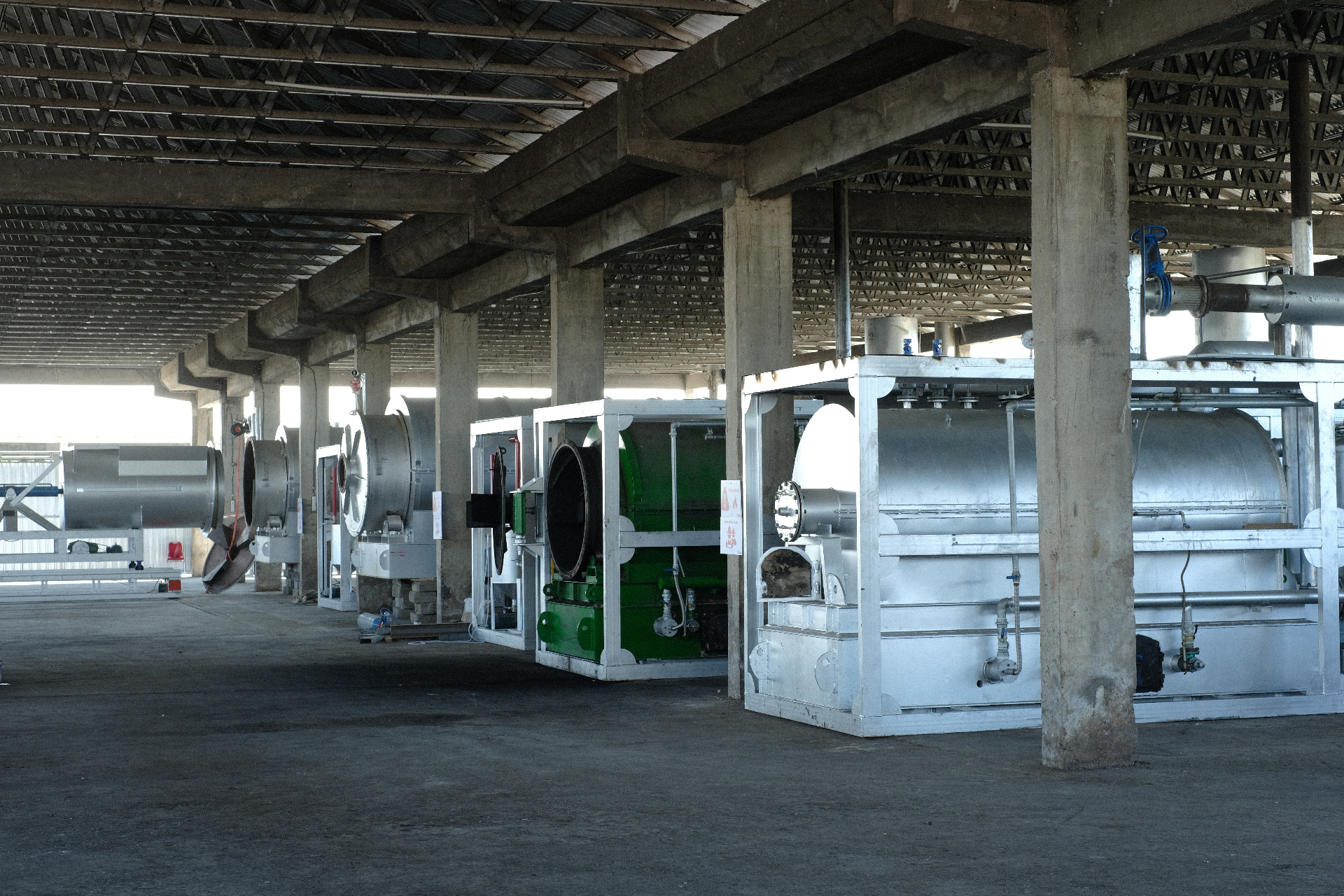
- Skid-mounted, pre-assembled & factory-tested
- Hydraulic feeder (60-ton thrust, double-rod) — no manual entry
- Horizontal rotary reactor — even heating, fully-insulated shell
- PLC auto control — ignition, flameout, temperature & oil-gas switching
- Square-box condenser — long path, maximised oil yield
- Syngas recovery loops back as process heat — self-sufficient fuel
- Automatic slag discharge — safe, no manual handling
- Multi-stage flue gas treatment (wet ESP, ceramic, desulf./denitrification, bag)
Built for imperfect waste.
Continuous-feed plants require dry, clean, narrow-spec feedstock and fail on Indonesian MSW. INPAC reactors are batched — independent, tolerant, and deployable without pre-conditioning infrastructure.
- Tolerates moisture & contamination
- Organics can be loaded directly
- No mandatory pre-drying
- One reactor stops, others run
- Designed for Indonesian MSW reality
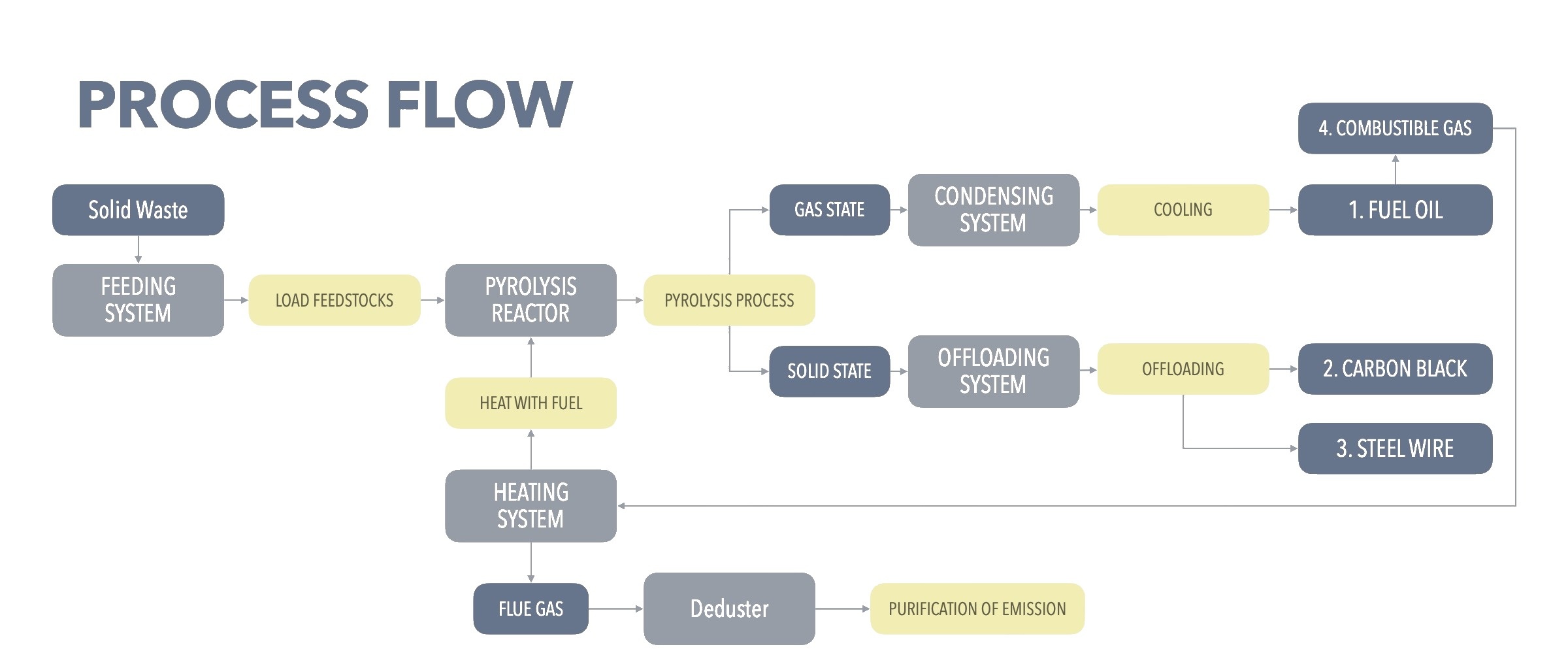
Optional · Engineering detailTechnical Deep Dive — system architecture & componentsEXPAND +
- Skid-mounted — rapid install & commissioning
- PLC auto control — ignition, flameout, temperature
- Modular shipping — pre-assembled in factory
- Factory-tested before disassembly & dispatch
- Optional automatic slag discharge
- Customisable to site footprint & feedstock
Conversion, not combustion — at a fraction of the lifetime cost.
| Dimension | Incineration | INPAC Pyrolysis |
|---|---|---|
| Process | Burns waste with oxygen at 850–1,100 °C | Heats waste without oxygen at 400–500 °C |
| Fuel requirement | Requires continuous additional fuel (gas / oil) — can be expensive | Self-fuelled by recovered syngas after start-up |
| OPEX driver | Fuel + flue-gas scrubbing + ash disposal | Self-fuelled by syngas after start-up |
| Outputs | Heat + electricity, toxic fly/bottom ash | Fuel oil, carbon black, syngas (steel when tyres present) |
| Emissions profile | NOx, SOx, dioxins — heavy stack treatment | No combustion of waste; closed-loop vapour |
| Build time | 1-2 years | 4 months per module(Can be run in parallel) |
| Wet / mixed MSW | Needs pre-drying; efficiency drops sharply | Tolerant — batch design handles variability |
INPAC can support — not replace — existing incineration.
Where a site already operates an incinerator or waste-to-energy plant, INPAC modules can be co-located to assist with fuel supply as Incineration requires heavy amounts of fuel to run which can be extremely costly.
The equipment is on site. The modular unit is already producing fuel at Klungkung.
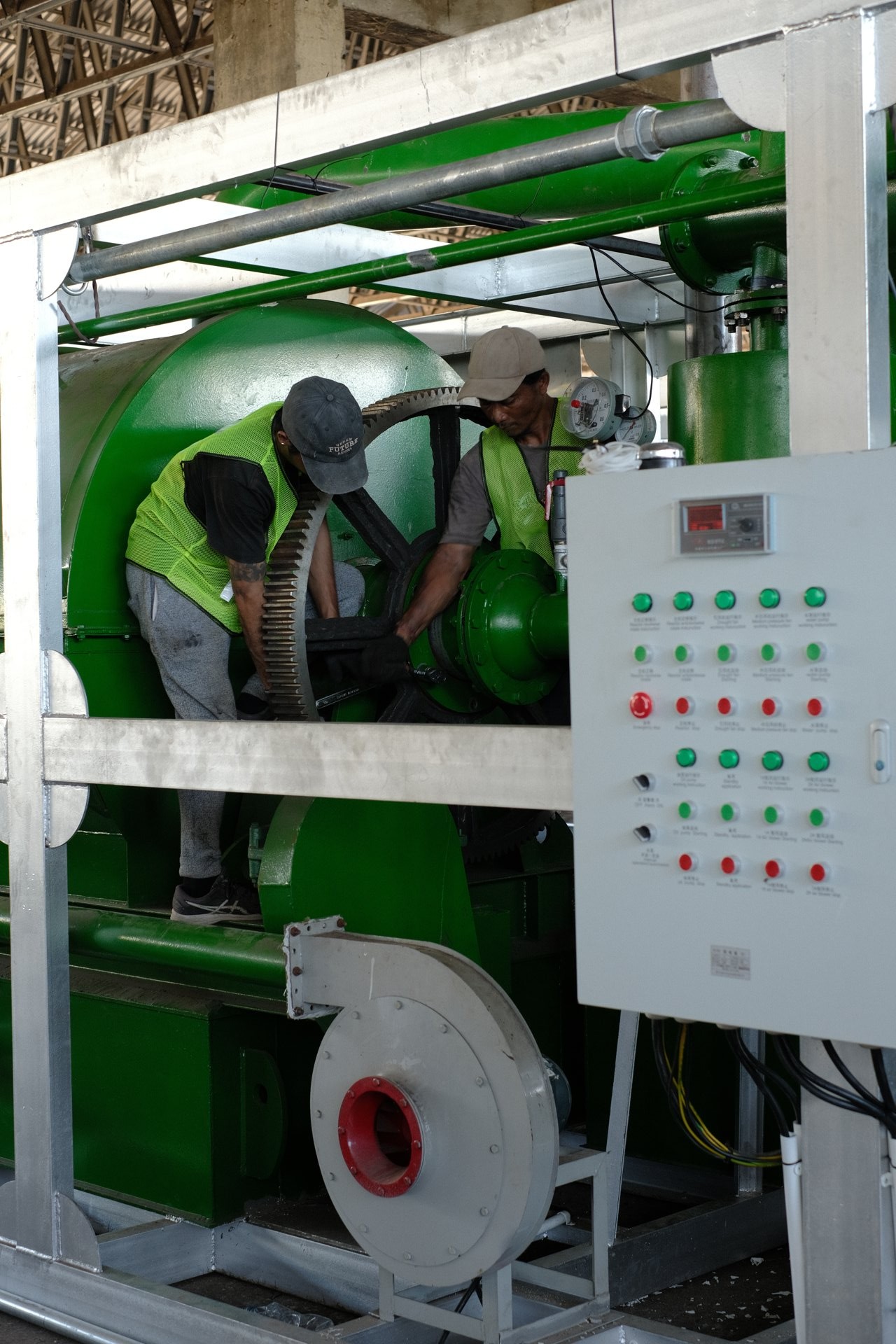
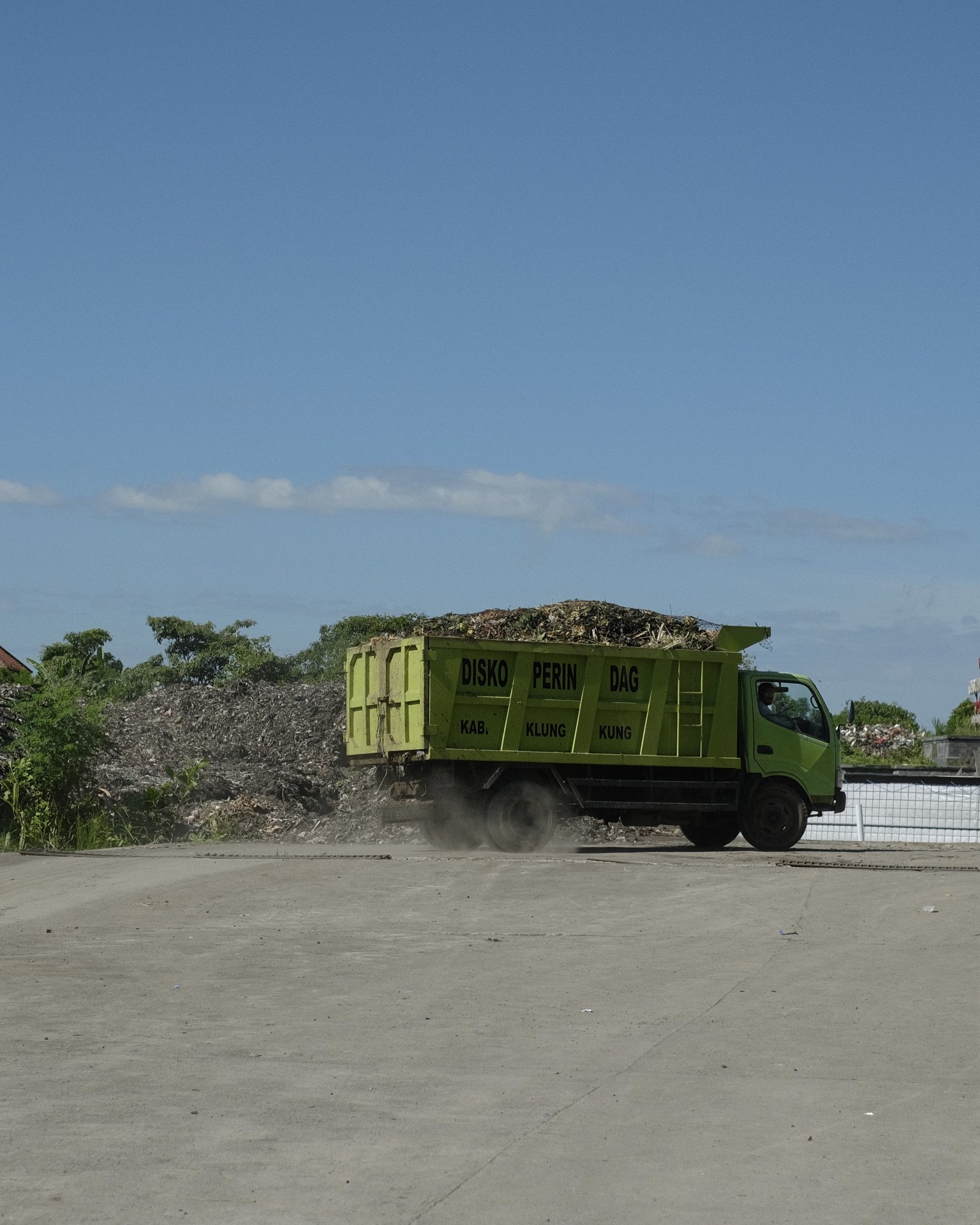
These are not renders. Machines have been delivered, the modular 750 unit has been test-run, an 8 t/hr trommel sorter has been added, and refined fuel oil is flowing today. The remaining work at Klungkung is completion and commissioning — not concept.
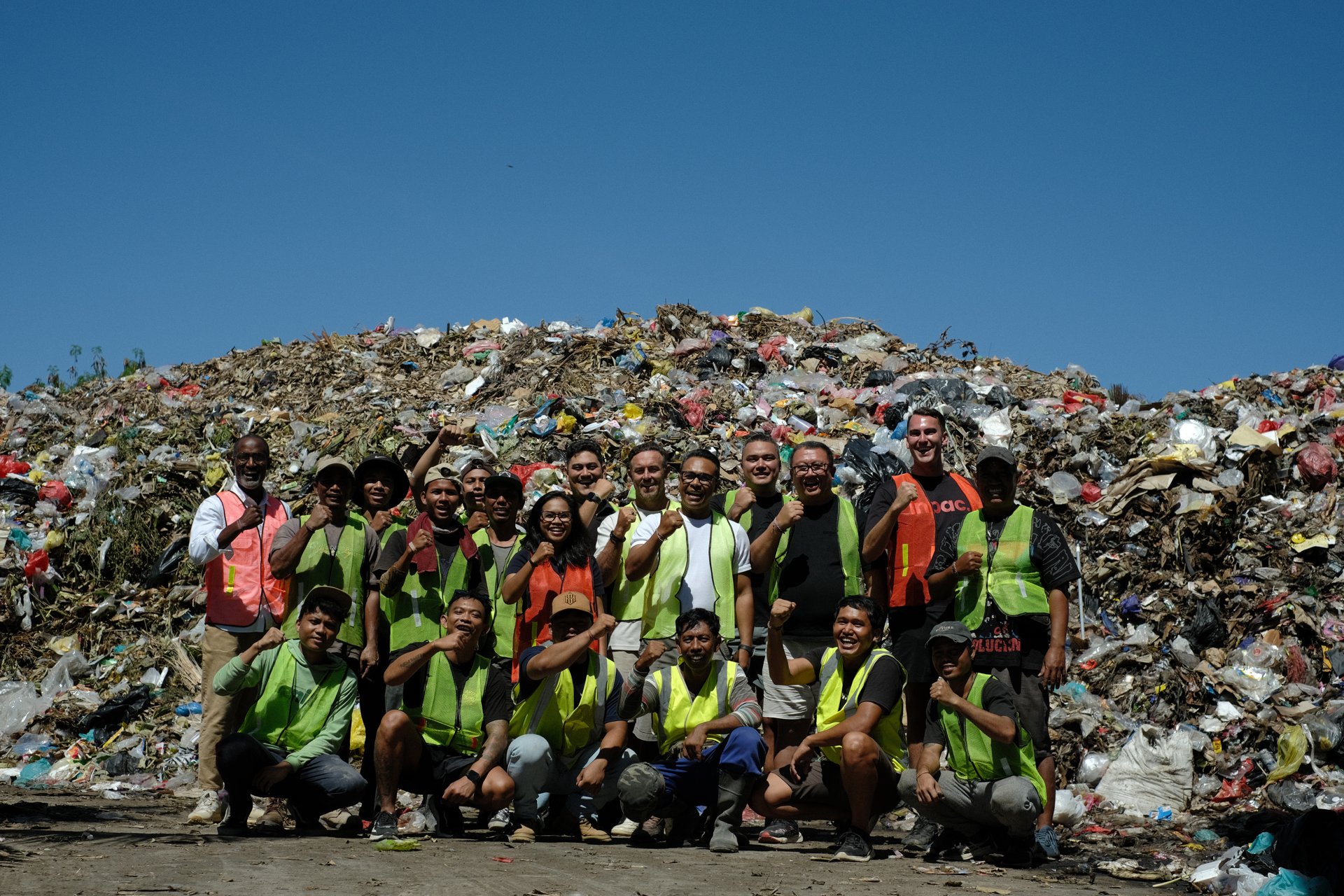
Klungkung, Bali — the reference site.
INPAC has established its current waste and pyrolysis project site at the Klungkung TOSS Centre in cooperation with the Klungkung Government. Three trial runs have been completed.
Klungkung testing produced approximately 30% fuel yield from unsorted municipal waste and 50% from sorted MSW. Tyres reached 80–90% — these figures are reference points only; INPAC is not a tyre operator.
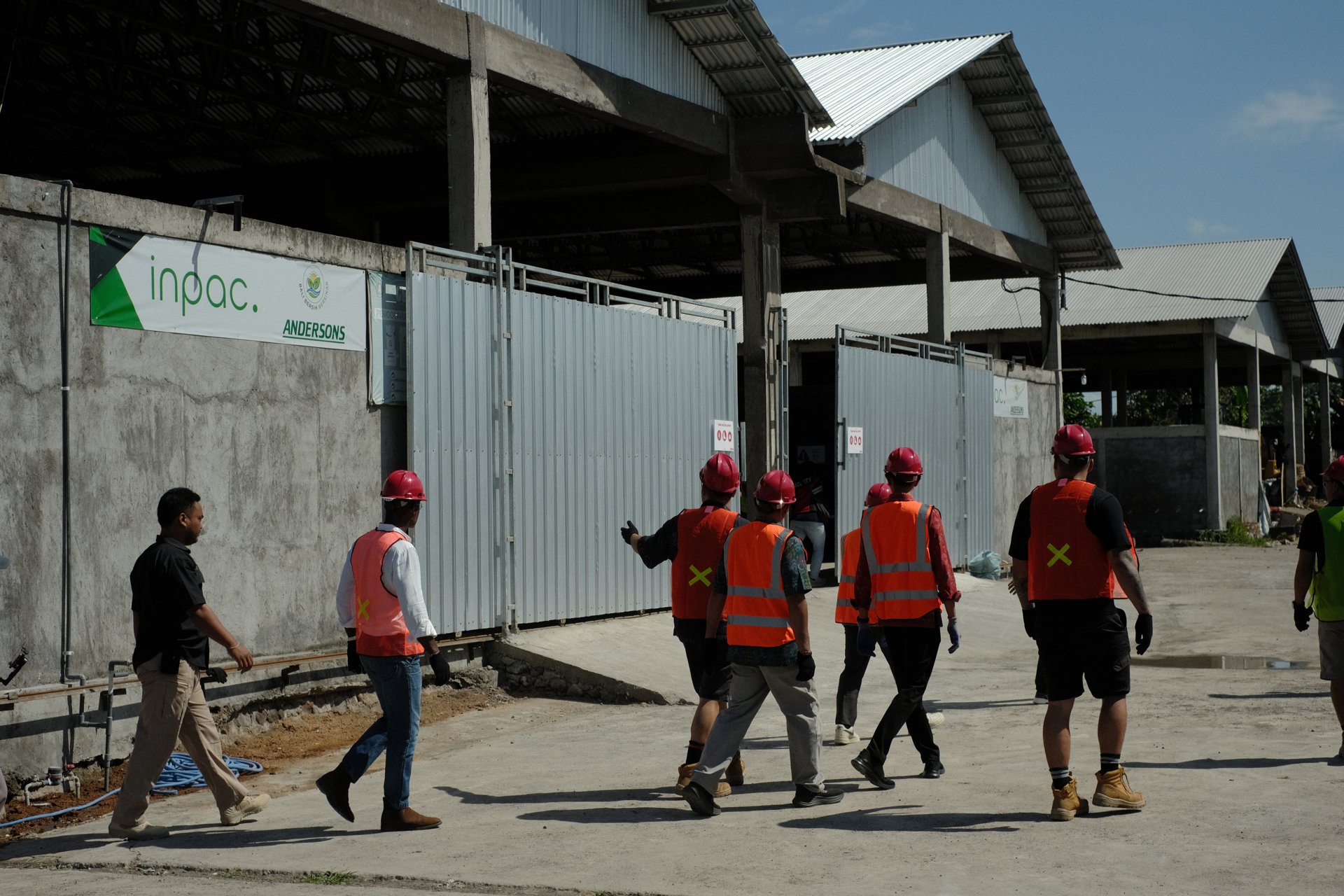
Scaling to 1,000 TPD — replicable across sites.
1,000 TPD site model
Conservative 40% conversion basisThe final plant configuration depends on site access, road conditions, transport limits, crane access and installation practicality. For a 1,000 TPD site, INPAC would deploy modular systems at approximately 40 tonnes per day per machine — roughly 25 machines in total.
Ideal site profile
| Requirement | Preferred position |
|---|---|
| Grid access | Access to or near a High Voltage line |
| Land area | Minimum 3 hectares |
| Location | Minimum 2km away from residential housing |
| Site use | Sorting, pyrolysis, fuel handling, carbon handling, truck access and generator infrastructure |
| Access | Suitable for heavy trucks, cranes and ongoing waste deliveries |
Estimated daily outputs at 1,000 TPD
| Output | Estimate |
|---|---|
| Waste processed | 1,000 tonnes / day |
| Pyrolysis fuel oil | 400 tonnes / day |
| Fuel volume | ~470,000 litres / day |
| Electricity generation | ~1.41 GWh / day |
| Average power equivalent | ~58.8 MW |
| Carbon black / carbon char | 300 tonnes / day |
| Syngas | 300 tonnes / day equivalent |
INPAC has already completed trial runs at Klungkung showing approximately 30% fuel yield from unsorted waste and approximately 50% from sorted waste. The 1,000 TPD model assumes sorting happens first, but uses a more conservative 40% fuel conversion rate for planning — keeping the model on the lower end of the expected range rather than relying on the highest trial result. The fuel-to-energy calculation uses ~3 kWh per litre of refined pyrolysis fuel.
Yearly figures are calculated on a 356-day operating basis. This is a conservative planning model: actual yields will vary with feedstock mix, moisture content, plant availability and local operating conditions.
Estimated all-in CAPEX
We estimate approximately USD 2 million per 10 tonnes per day of installed waste-processing capacity, including all additional infrastructure — sorting, pyrolysis, refining, utilities, buildings and site works. At 40 tonnes per day per machine, a 1,000 TPD site requires roughly 25 machines.
Operations are funded by INPAC.
Indicative CAPEX envelope
| Site / capacity | TPD | USD / 10 TPD | Indicative all-in CAPEX |
|---|---|---|---|
| 1,000 TPD site | 1,000 | USD 2M | ~USD 200M |
Includes sorting, pyrolysis, refining, utilities, buildings and site works. Final cost depends on site-specific civil works, existing infrastructure, feedstock mix and local regulatory requirements.
On a 356-day operating basis, a 1,000 TPD site would process approximately 356,000 tonnes of waste per year, producing around 167.3 million litres of pyrolysis fuel — equivalent to roughly 502 GWh of electricity — while recovering approximately 106,800 tonnes of carbon black / carbon char, with syngas reused onsite for process heat.
Offtake pathway
| Stream | Process | Commercial use |
|---|---|---|
| RDF | Sorted at front of line | Cement kilns, industrial boilers |
| Rubber / high-yield streams | Prioritised for pyrolysis | High-yield crude oil, carbon black |
| Refined fuel oil | Filtered & refined | Industrial / generator fuel |
| Marine-grade fuel oil | Further refined & tested | Marine fuel pathway |
| Carbon black / char | Recovered post-pyrolysis | Filler, asphalt, activated carbon |
| Steel, metals, glass | Magnetic & front-end separation | Scrap & recycling markets |
| Syngas | Reactor by-product | Internal process heat (self-fuel) |
The Indonesian action plan.
Phases run in parallel — multiple sites can be progressed simultaneously, not sequentially.
Sorting Mobilisation
- Deploy large trommels on site
- Separate plastics, organics & residuals
- Bale plastics; route organics to compost
- Reopen closed cells / recover capacity
- Baseline tonnage & composition data
Testing & Commercial Pathway
- Feedstock sampling & yield testing
- Sorting line optimisation
- RDF & compost offtake discussions
- Fuel / electricity / char term-sheets
- Phase 1 site layout & budget
Pyrolysis Deployment Plan
- Site-specific technical design
- Pyrolysis module install plan
- Offtake term-sheets closed
- Workforce, training & education plan
- Roll-out plan for parallel sites
Phased delivery
The people delivering this.
A multidisciplinary team combining infrastructure delivery, Indonesian operations, legal, commercial and strategic expertise.

CEO & Founder · Global Lead
Aaron Anderson
Leads international project development, strategic partnerships and infrastructure delivery. Second-generation infrastructure leader connected to the Andersons Group, with deep Pacific and Asia-Pacific experience across sustainable infrastructure, renewable energy and logistics.
Co-Founder · Director of Operations
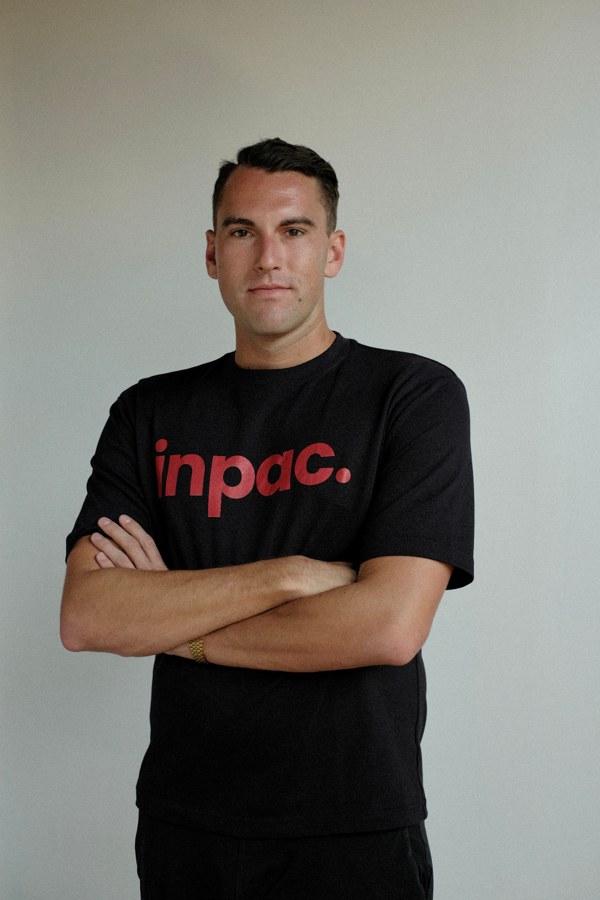
Justin Lampert
Oversees day-to-day operations across INPAC Solutions' project sites, ensuring delivery, safety, and quality standards are met at every stage.
Director · Co-Founder
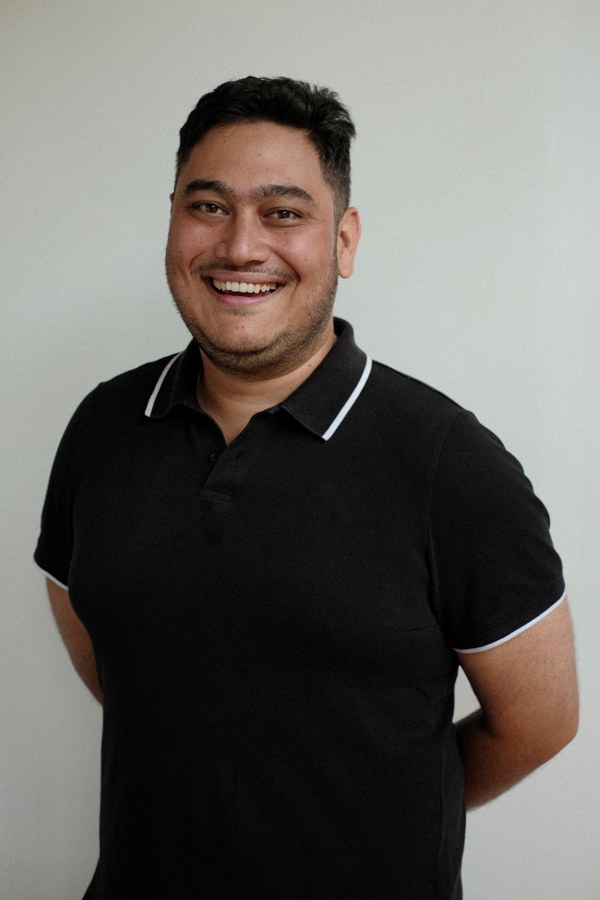
Anak Agung Pablo Subamia
Leads INPAC's Indonesian relationships, local development pathway and community engagement. Provides the Indonesian execution layer — government, regulatory, site coordination and community trust.
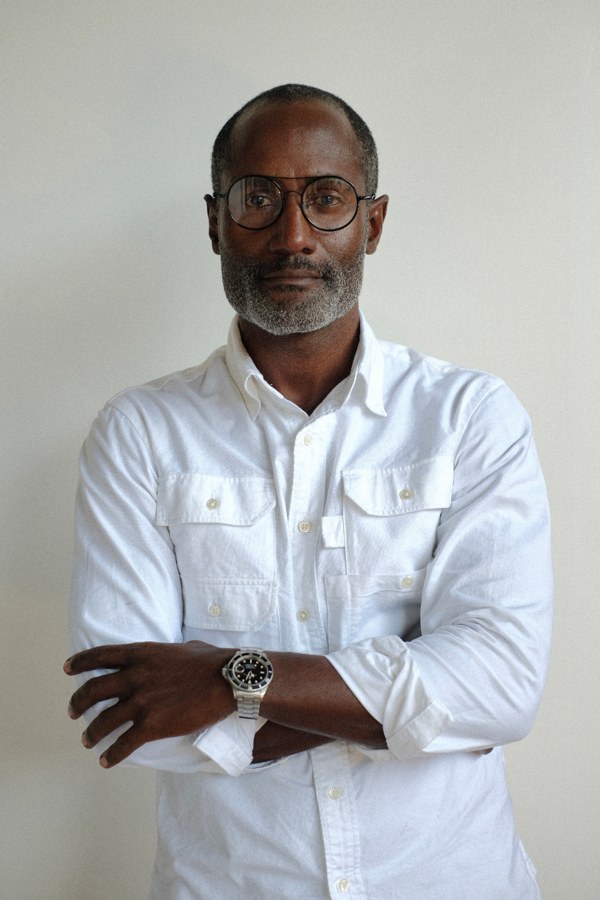
Director of Strategy
Everard Findlay
Helps shape INPAC's long-term direction, partnerships, and positioning as a model for sustainable infrastructure and resource innovation.
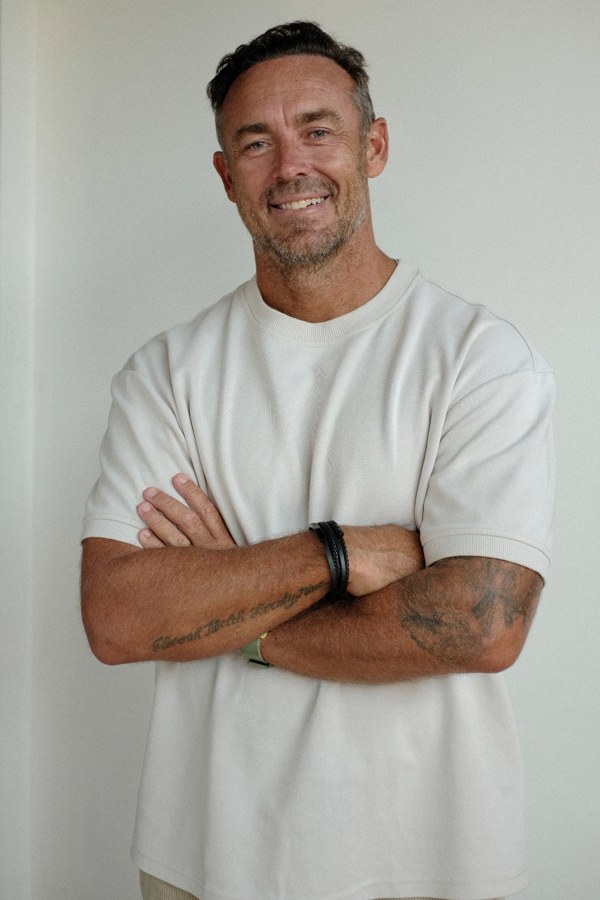
Director · Business Development & Partnerships
Lucas Gresham
Leads INPAC's commercial pipeline and partnership development across the Asia-Pacific.
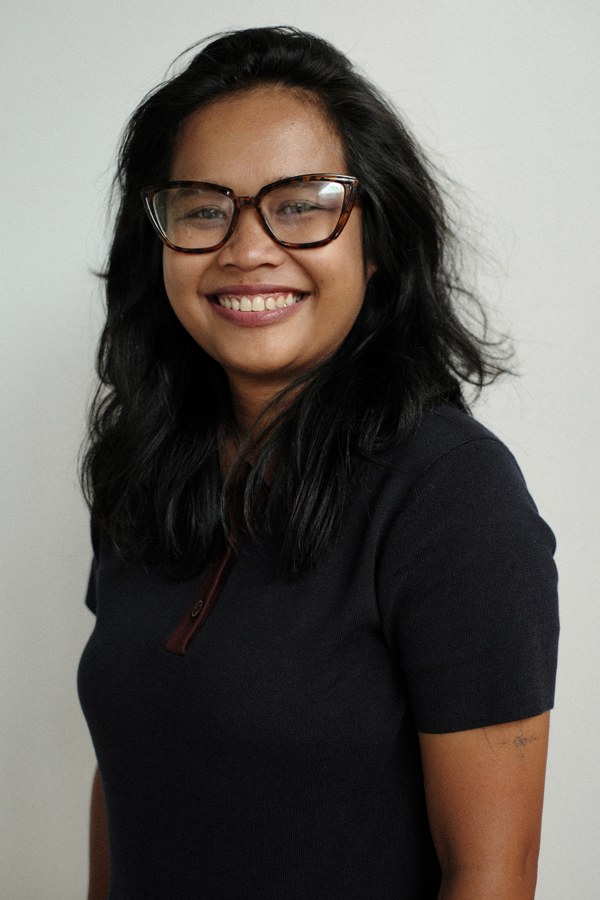
Head of Legal
Bening Pertiwi
Leads INPAC's legal and regulatory affairs across Indonesia and the wider Asia Pacific, ensuring every project is built on a foundation of compliance, transparency, and strong community partnerships.
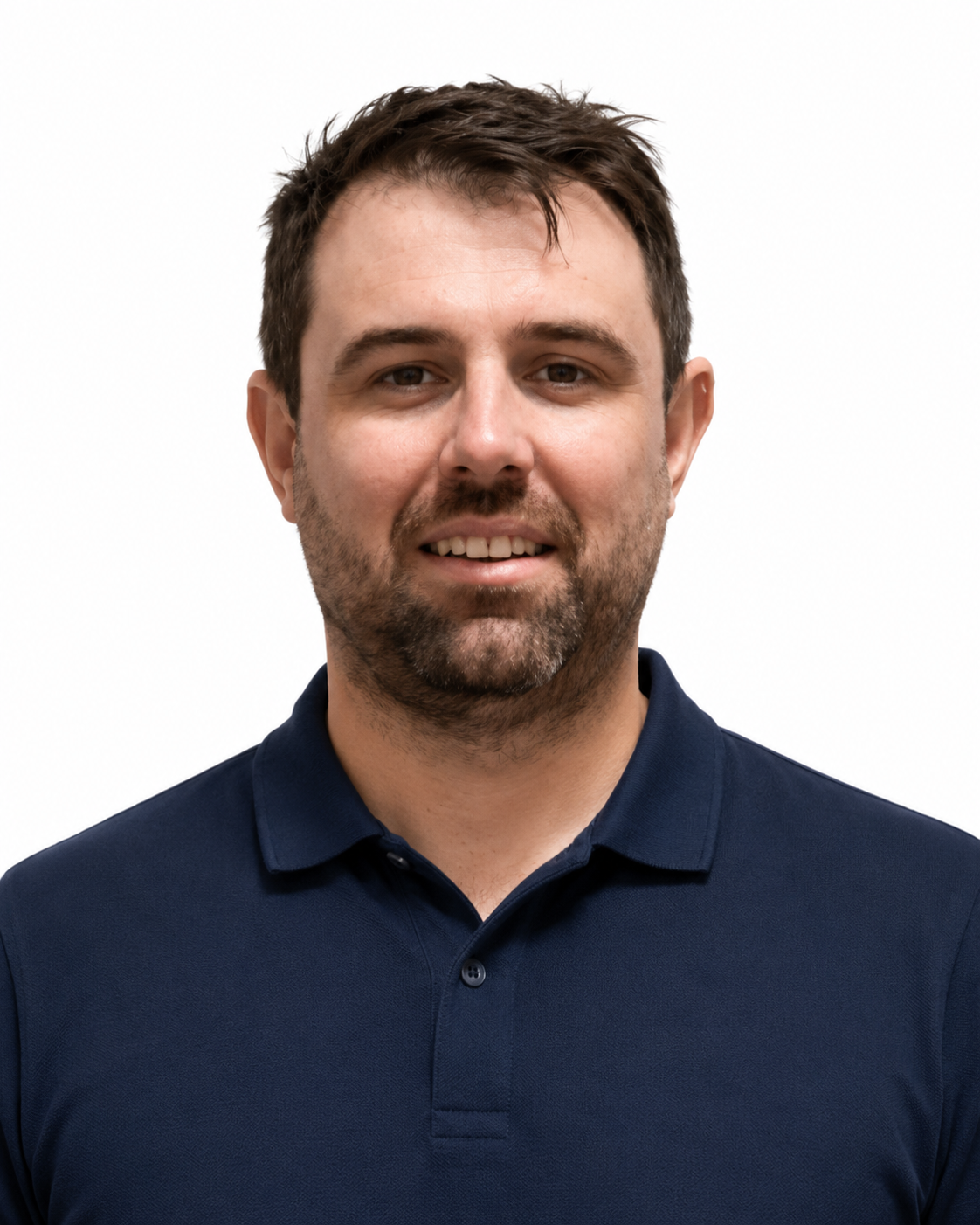
Head of Business Development
Darren Feltus
Drives INPAC's commercial growth across the Asia Pacific, building the partnerships and pipelines that bring sustainable infrastructure projects from early conversations to delivery.
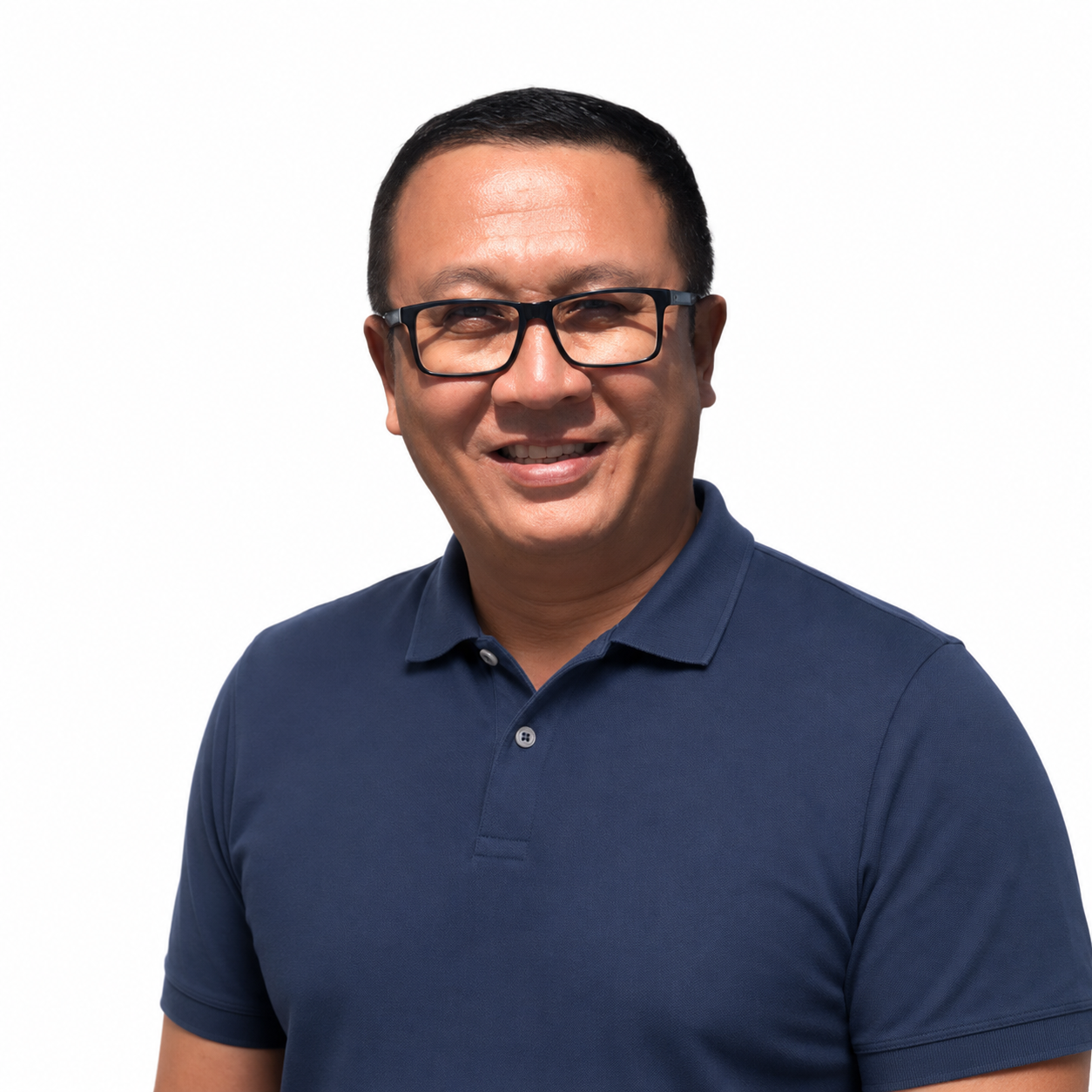
Technical Operations
Gde Kurniawan
Accomplished hospitality executive and project management professional with over 30 years of experience in hotel development, resort operations, and construction across Bali and the wider Asia Pacific.
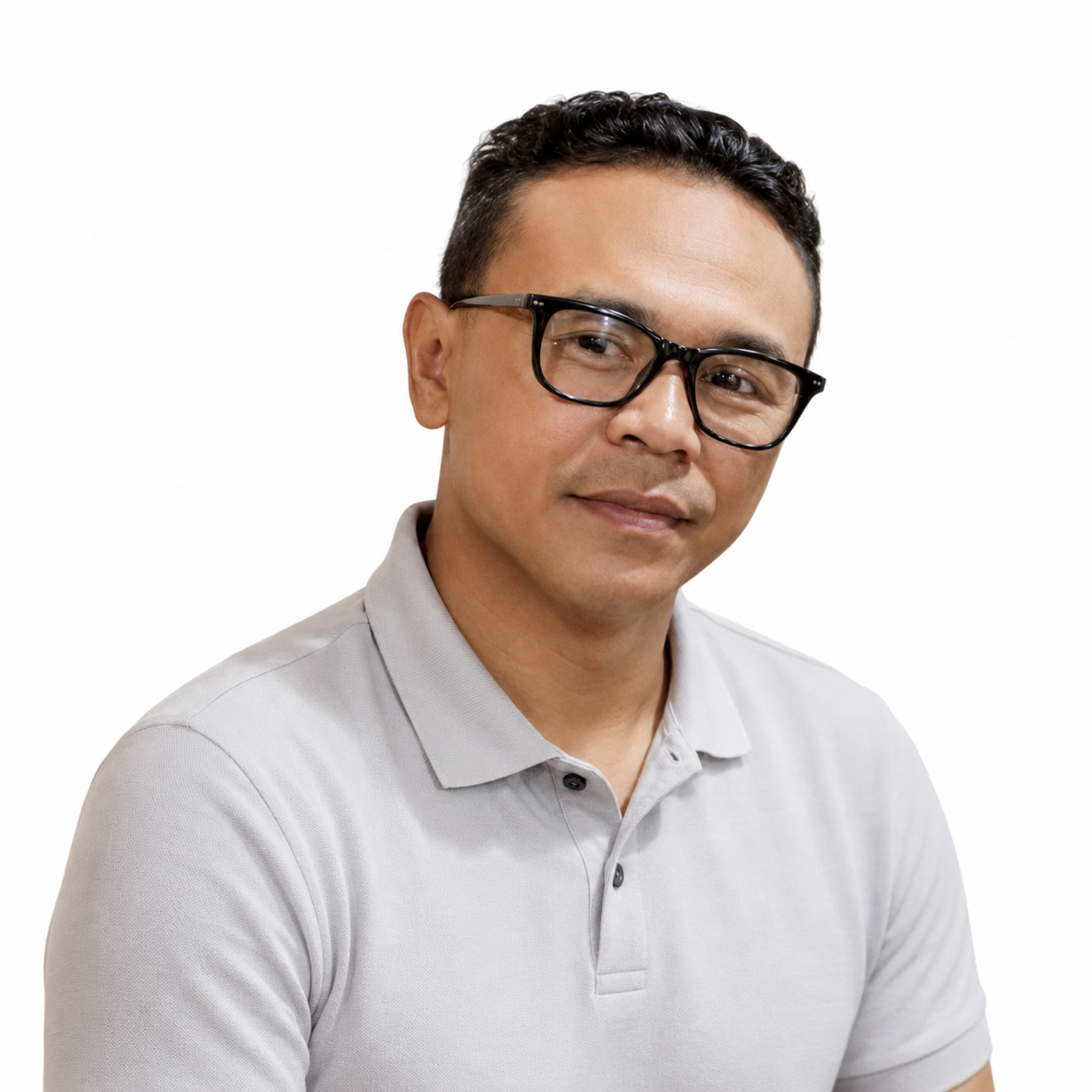
Legal Officer
I Ketut Budi Hartawan, SH
Experienced lawyer, entrepreneur, and business executive with over 15 years of expertise in legal consulting, hospitality, property management, and corporate leadership.
INPAC is supported by the Andersons Group network for technical knowledge, infrastructure experience and installation. The objective is to train local Indonesian teams so operation, maintenance and future installation capability can be developed locally.
Delivered alongside the institutions that fund this kind of work.
The leadership behind INPAC has prior delivery experience on infrastructure, climate and development programmes funded or supported by the Asian Development Bank, the Green Climate Fund and the New Zealand Aid Programme.
Partner marks shown for reference of prior engagement. No endorsement of this proposal is implied.

ESG, education & community.
Technology can process waste, but education changes the behaviour that creates the waste problem in the first place. The Klungkung site is being developed as a combined waste recovery and education model — with school programmes, community training and an onsite education space.
Each site reports measurable ESG impact — tonnes received, sorted and processed; recovered RDF, plastics, metals and glass; crude oil, char and steel produced; local jobs created; education sessions delivered; landfill volume reduced.
What can go wrong, and how we mitigate.
Feedstock variability — mixed, wet, inconsistent
Sorting is installed first. Batched reactors tolerate moisture and organics better than continuous plants, and the sorting line keeps running in parallel.
Offtake & price — uncontracted outputs
Projects are structured around contracted offtake before full-scale expansion. Outputs are diversified: fuel, electricity, RDF and char.
Permitting & regulatory delay
Local execution layer (Pablo, Andersons Group network) handles site agreements, permits and counterparties. Modular units reduce site-level complexity.
Execution & CAPEX — single large plants are complex
Modular, phased commissioning and milestone-based financing. Site-level all-in cost: ~USD 2M per 10 TPD of capacity.
From landfill dependency to a modular circular economy platform for Indonesia.
Klungkung is the proof point. The next step is to use it as the reference site, secure offtake agreements, gather exact site data, and scale the platform across suitable Indonesian sites.
Optional · For investor modellingSite Feasibility Calculator
Site Feasibility Calculator
Editable model of revenue per offtake stream. Adjust the assumptions below to see how sorted waste volume, fuel yield, fuel volume factor, energy density and the all-in CAPEX rule drive the model.
Assumptions & Methodology
iHow the model works
Changing these inputs recalculates the Electricity and Fuel quantities in the table. If you have manually edited those rows, the assumptions will overwrite them.
Assumptions are indicative. Site-specific trials, offtake contracts and local waste characterisation will refine final values.
Offtake Revenue
| Offtake stream | Quantity (per day) | Unit price | Line total |
|---|---|---|---|
Electricity kWh | $USD / kWh | $690,000 | |
Fuel litres | $USD / litre | — | |
Carbon Black MT | $USD / MT | — | |
| Total revenue (per day) | $690,000 | ||
Indicative only — actual prices subject to offtake negotiation, currency, and site conditions.